
June 6, 2026
Ganjapa Living Cards in Odisha: Myth, Magic, Mastery!

Have you
ever held a deck of cards and realized it carries centuries of stories,
devotion, and craftsmanship? That is the magic of Ganjapa living cards in Odisha.
These cards are not just a game. They are living art, a cultural legacy, and a
bridge between the past and the present.
A
Journey from Persia to Odisha-
The story of
Ganjapa living cards in
Odisha begins far from the state, in Persia. Known as Ganjifa
there, the game arrived in India during the Mughal era. While the Mughals
introduced elaborate courtly versions, Odisha made them its own. The decks
became circular, said to echo the eyes of Lord Jagannath, and intertwined with
local legends, festivals, and artistry. Over time, villages like Raghurajpur
and towns like Puri became the heart of production and play, ensuring that
these living cards were embedded in Odia life.
Artistry
That Speaks-
Every set of
Ganjapa living cards in
Odisha is hand-painted using traditional Pattachitra art
techniques. The process is meticulous. Cotton cloth layers are pasted with
tamarind seed paste, dried, and polished until firm. Circles are cut using
hollow iron cylinders. Brushes made from rodent hair, cattle hair, or plant
fibres bring to life kings, ministers, deities, mythical creatures, and scenes
from epics. Natural pigments from conch shell, geru stone, haritala,
lamp-black, leaves, and lapis-lazuli create vibrant, lasting colours. Each deck
is a miniature museum of Odisha’s art and mythology.
Themes
and Decks-
The beauty
of Ganjapa living cards
in Odisha lies in the stories they tell. Dashavatara decks
depict the ten incarnations of Lord Vishnu, sometimes extended to include
Brahma, Shiva, Ganesha, Kartikeya, Surya, and Chandra. Nabagunjara decks,
unique to Puri, illustrate the mythical nine-animal creature, blending Krishna
and Arjuna’s tale in intricate artwork.
Ramayana
decks from Paralakhemundi and Chikiti narrate Lord Rama and Sita’s epic through
eight to twenty suits. Unique king cards such as Shri Rama Pattabhisekha
Ganjapa, with Rama enthroned and Sita, Lakshmana, and Hanuman depicted,
highlight innovation in design. Other decks like Krishnashtamalla,
Ashtadikpala, Navagunjara, and Ratha-Hati/Ghoda add further variety, ensuring
that Ganjapa living
cards in Odisha preserve diverse regional folklore and
spiritual narratives.
Gameplay
and Structure-
Playing Ganjapa living cards in Odisha
is an art in itself. Decks vary from four to sixteen suits, each suit with
twelve cards including numerals, a king, and a minister. Players engage in
trick-taking games, combining strategy with cultural storytelling. Unlike
standard decks, the suits are identifiable by colour, and the king and minister
cards are central pieces of art. Each move is a dialogue with history, teaching
observation, patience, and respect for tradition.
Regional
Heritage-
Raghurajpur
is the production hub, where generations of artisans painstakingly craft every
deck. Puri is the centre for play, especially among temple communities.
Paralakhemundi contributes larger Ramayana decks, while Chikiti introduces
experimental designs on king or numeral cards. Ganjam has traditional styles,
and Sawantwadi in Maharashtra, though outside Odisha, offers a comparative view
of Ganjifa revival and lacquered techniques. Each region enriches the craft
with its own cultural flavour, making Ganjapa
living cards in Odisha a vibrant mosaic of artistry and
devotion.
Materials,
Colours and Techniques-
What makes Ganjapa living cards in Odisha
remarkable is their natural composition. White comes from conch shells, red
from geru stone, yellow from haritala, black from lamp-black, green from
leaves, and blue from lapis-lazuli. The colours are mixed with tamarind paste
and applied with precision. The circular cards, polished repeatedly, last
decades, softening over time but never tearing easily. Each brushstroke is
deliberate, a prayer in motion, and every card is a testament to Odisha’s
artistic heritage.
Challenges
and Revival-
Modernity
poses challenges to Ganjapa
living cards in Odisha. Children today have little time for
lengthy traditional games, and machine-made cards have reduced interest in
hand-crafted decks. Yet, cultural enthusiasts, workshops, and festivals have
revived interest. Art collectors, researchers, and community programmes ensure
these living cards continue to inspire. Preservation is not just about
maintaining art. It is about keeping Odisha’s stories, spirituality, and craft
alive for future generations.
Why
They Matter?
Ganjapa
living cards in Odisha are more than game pieces. They are miniature
encyclopaedias of myth, culture, and artistry. They bridge generations, teach
stories of devotion, and celebrate the creativity of artisans who dedicate
months to perfect a single deck. For the Odia community, these living cards are
a tangible connection to identity, history, and pride.
Conclusion-
Holding a deck of Ganjapa living cards in Odisha is like holding centuries of Odisha’s heritage in your hands. Every colour, every stroke, every character tells a story. These living cards are not just preserved art. They are Odisha’s spirit, captured in circular forms, waiting to educate, delight, and inspire every generation.
Recent Post
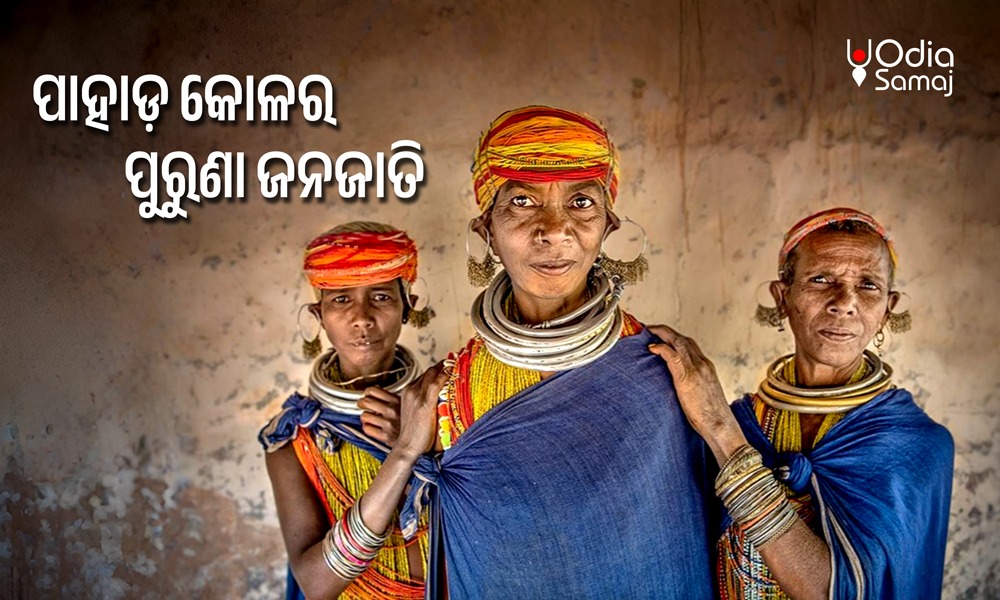
ଅଧ୍ୟୟନ ପରିପ୍ରେକ୍ଷୀରେ ବଣ୍ଡା ସମ୍ପ୍ରଦାୟ

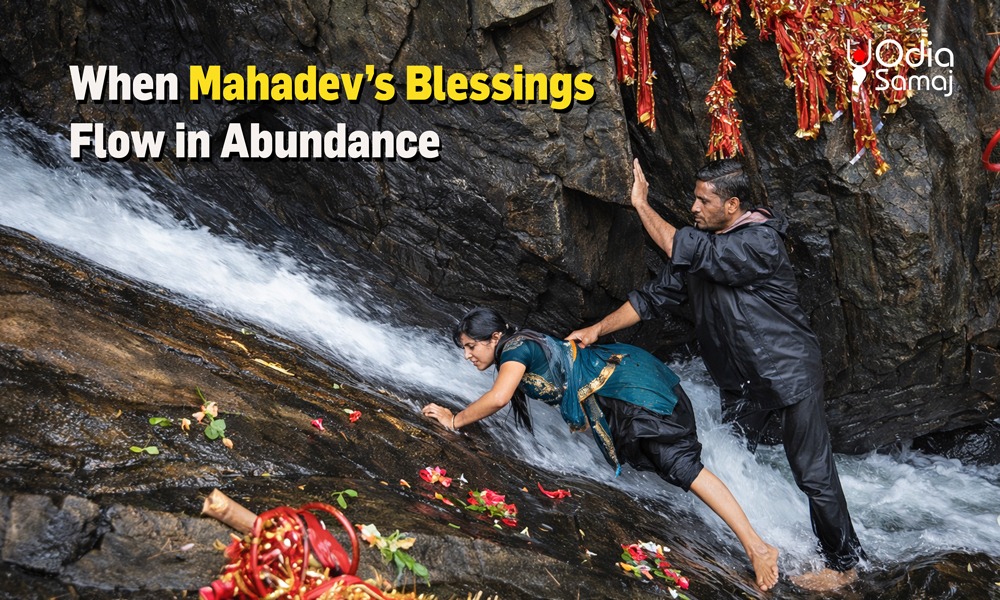
ସୁନ୍ଦରଗଡ଼ର ଖଣ୍ଡାଧାର , ଘୋଡ଼ା ଲାଞ୍ଜ ପରି ଦିଶୁଥିବା ଝରଣା!
May 22, 2026
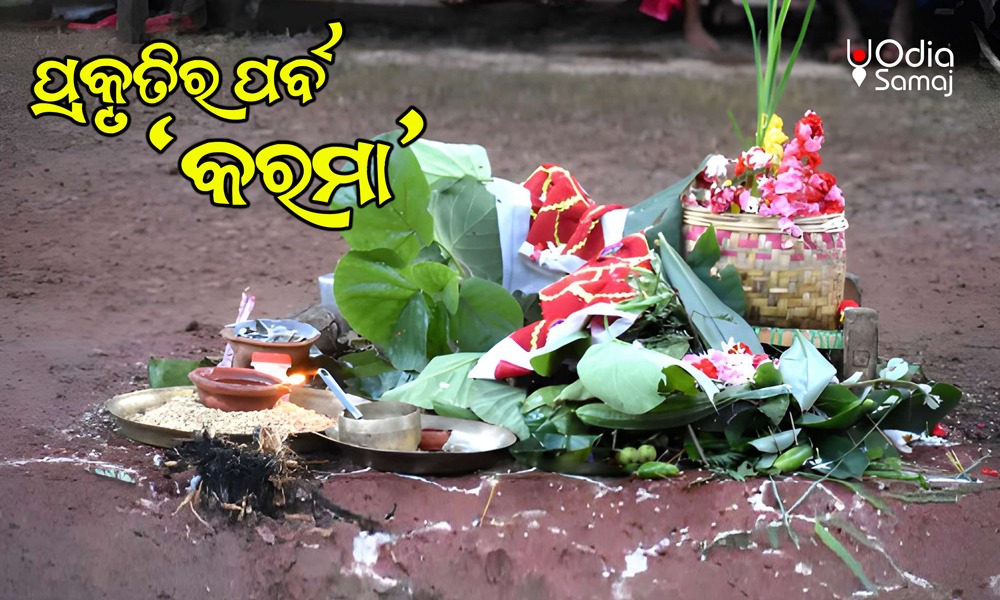
ଓଡ଼ିଶା ଜନଜାତି ସଂସ୍କୃତି ଓ ବିଶ୍ୱାସର ନିଆରା ପରମ୍ପରା
May 11, 2026