
May 22, 2026
Odisha’s Rise as India’s New Tea Destination
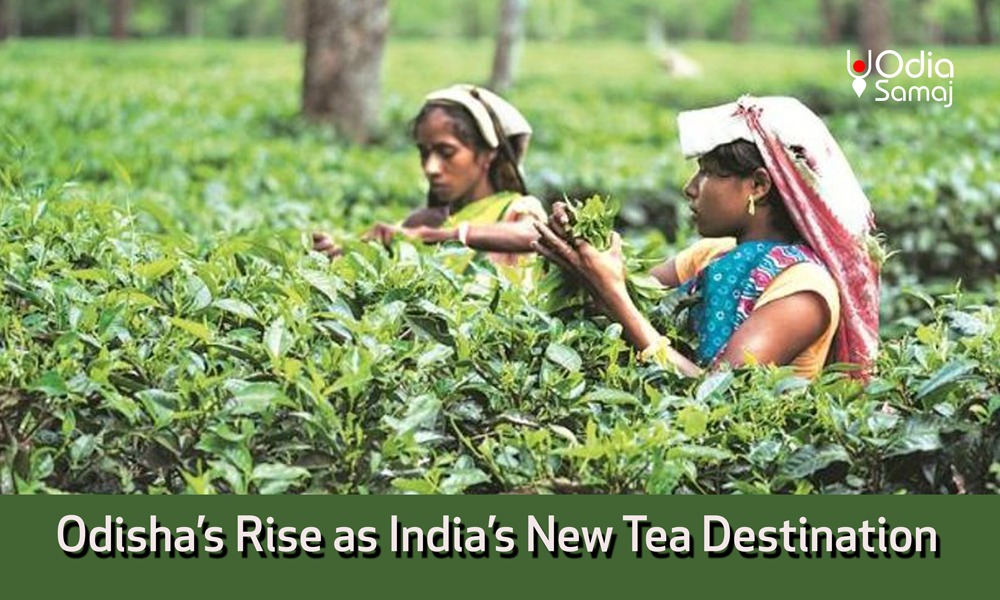
Tea is one of nature’s finest gifts to mankind. We sip it to begin a better day. From its delightful aroma to its refreshing character, tea lovers cherish every flavor.
It is more than just a beverage. For many, a single sip each morning brings a comfort that is truly unmatched.
Amidst our chaotic schedules, tea becomes a source of relaxation, a reason to pause, and often a gentle beginning to meaningful conversations. It remains an essential part of our daily routine.
Today, India is widely recognized for its exceptional and diverse tea varieties. People from across the world show great interest in exploring India’s tea cultivation and heritage.
When we speak of the finest tea in India, the first name that naturally comes to mind is Assam. When we visit Assam, the sprawling tea gardens stand as a magnificent attraction. The state is known for its distinctive tea quality, which refreshes and uplifts us from the very first sip.
Assam has long dominated India’s tea narrative. With a rich legacy of cultivating premium-quality tea, it has been admired and cherished for generations.
But this raises an important question. Is Assam the only place that produces tea?
No.
A Lesser-Known Chapter from Odisha
Odisha, known for its enchanting scenery, picturesque landscapes, and mesmerising culture, attracts tourists from all across.
While these aspects are quite well-known to the world, there is a lot more that remains hidden.
Beyond the well-known plantations of the
Northeast, Odisha has steadily carved its niche as a tea cultivator. Keonjhar,
Odisha's mineral-rich district, also known for its picturesque beauty,
encourages tea plantations in the state. If the state diligently works on expanding
its potential, these will soon become one of the famous tourist places to
visit in Odisha.
It is in the most remote corners of Odisha where tea cultivation has been steadily taking root. The establishment of the Taramakant Tea Estate in the Banspal block in 1982 marked a significant milestone for the state.
The project covered about 2200 hectares. It flourished well, with exports that made it much more successful. Nearly 1,000 workers were employed, and the tea quality helped enhance the project’s prospects. The plantation, however, ceased its operations in 2004.
A Steady Income for Tribal Communities
While the project brought tea to the state and also a lot of prosperity to its economy, it also created sustainable livelihood opportunities for tribal communities, helping many families earn a steady income and raise their families with it.
After many trials and challenges over the years, the estate has started to revive again. It is consciously making efforts towards promising tea cultivation in the region.
While Keonjhar remains the traditional hub, conscious steps are being taken to make tea initiatives reach the scenic highlands of Koraput district, Gajapati district, and Mayurbhanj district. These terrains are conducive to tea cultivation due to their unique soil and climate conditions. These regions have the full potential to grow varieties with the help of suitable techniques and the latest technology.
Growing Tea With a Sustainable Approach
The state government has religiously dedicated itself to promoting Odisha as a tea hub. To further the process, it is deploying eco-friendly and organic farming practices to gain better results.
It is gradually shifting from conventional expansion models towards more sustainable methods to elevate tea plantations. This includes reducing the use of chemical fertilizers and pesticides to preserve soil health. Another motive behind this initiative is not only to protect the environment but also to ensure that consumers receive a cleaner, more natural product.
Each and every practice follows the path of sustainability. Water conservation techniques, rainwater harvesting, and renewable energy adoption are effortlessly defining the plantations’ operational model
Now take, for instance, initiatives such as the Koraput Green Tea Plantation, which are integrating solar energy and responsible water management systems to avoid any kind of harsh impact on the environment.
These steps not only reflect a long-term vision but also reflect upon the balance of agricultural growth with ecological responsibility.
A Taste for Tourists
In an interesting effort to upscale tourism, tea estates in Gajapati and Koraput invite tourists to experience the entire process- from plucking the tea leaves to brewing a warm cup of tea.
Boutique resorts and tea-themed cafes have opened new avenues for the locals to earn a livelihood.
Future Brewing Ahead
Steady efforts continue, and expectations keep rising to make Odisha a leading tea hub, just like Assam and several other Northeastern states.
Odisha may not yet rival Assam in scale, but it is still on its way to carving a niche in India's tea landscape.
With revival efforts in Keonjhar and new plantations taking shape in hilly districts, the state’s tea journey is just beginning.
In conclusion
Despite all the efforts, hard challenges and loopholes continue to pose as threats to the tea cultivation.
Unpredictable monsoon climates, unwanted pest manifestations, desired road connectivity, and the lack of proper manpower create troubles.
Even then, the goal to achieve the best still conquers.
And sometimes, the most beautiful aromas come from places we least expect.
If you wish to know more about Odisha’s culture and tradition, follow us for more such interesting blogs
Recent Post

ସୁନ୍ଦରଗଡ଼ର ଖଣ୍ଡାଧାର , ଘୋଡ଼ା ଲାଞ୍ଜ ପରି ଦିଶୁଥିବା ଝରଣା!



ଓଡ଼ିଶା ଜନଜାତି ସଂସ୍କୃତି ଓ ବିଶ୍ୱାସର ନିଆରା ପରମ୍ପରା
May 11, 2026

Delving Into Odisha’s Indigenous Straw Art
May 6, 2026