
May 22, 2026
Odisha’s Eram Massacre: Nation’s Untold Tale of the 2nd Jallianwala Bagh
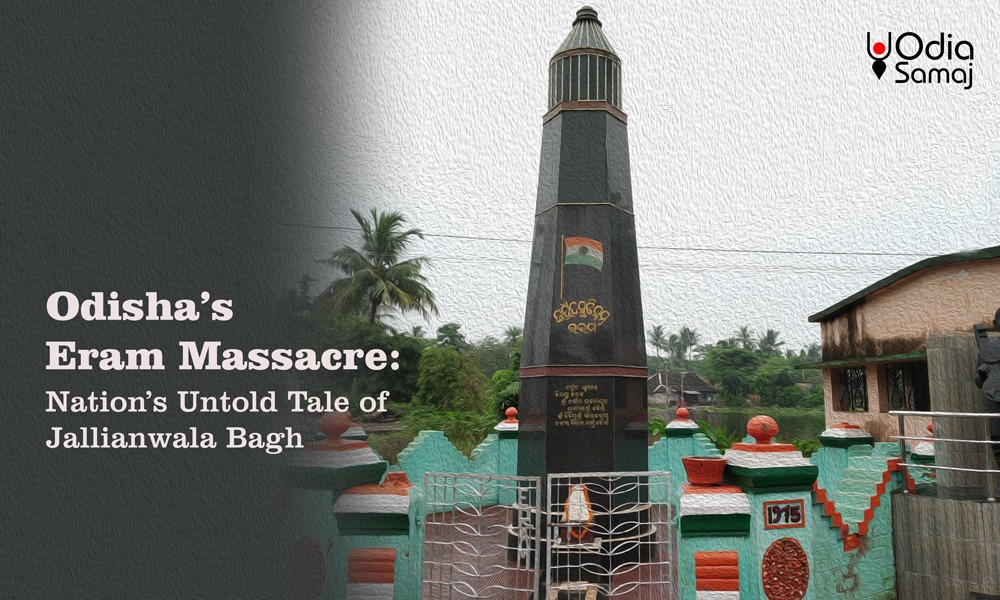
Our nation’s history is filled with countless tales that narrate sacrifice, valor, and martyrdom. Today, these immortal tales not only inspire us but also play a key role in motivating us to lead our lives with resilience and courage.
We, the people of the nation, are blessed with a history that not only gives a glimpse of our glorious past. It also gives us reasons to celebrate those heroes who willingly sacrificed themselves for their future generations.
As we turn the pages of history, some chapters fill us with pride, while a few of them leave a sense of lingering restlessness. We often tend to flip those pages to stop fear from taking over our minds.
One such was the Jallianwala Bagh massacre, a
dark and sinister day that sparks jitters in our hearts when we remember
it. It was the day when countless
innocent lives were butchered, with trails of blood still haunting the grounds.
Enter Eram Massacre: A Tale of Blood
Bath, Not Known To Many
The Jallianwala Bagh massacre is a major chapter of our history. But there are many more, hidden from public knowledge. One such incident is the Eram massacre, an incident much similar to Jallianwala Bagh, as infamous as the former. While the incident was a horrific part of our history, let us not forget it has a huge part in shaping Odisha’ culture and identity.
Far from the limelight, in a quiet village called Eram, a massacre took place in the pre-independence era, which witnessed innocents ruthlessly killed. Often referred to as the second Jallianwala Bagh of India, the Eram massacre remains one of the most painful yet lesser-known episodes in our national history.
Presently located in the present-day Bhadrak district (earlier Balasore), Eram lies between the sea and the hills, away from the regular chaos and humdrum of city life.
How It All Began
Looking back at the days when every corner of the nation bravely revolted against the British Raj, the people of Eram also valiantly stepped forward.
When Mahatma Gandhi called upon the people of the nation to rise united against the foreign invasion, the people of Eram rose without hesitation. The village actively participated in the Non-Cooperation Movement (1920), the Civil Disobedience Movement (1930), and later, the Quit India Movement (1942).
Among all the bravehearts who took an active part in the freedom struggle, several eminent leaders of Odisha, like Pandit Gopabandhu Dash, Dr. Harekrushna Mahatab, Pandit Nilakantha, Rama Devi, Md. Hanif, and poet Banchhanidhi Mohanty, were pivotal for the movement.
Eram gradually became a part of the freedom movement, with several leaders taking strong initiatives to suppress colonial rule . Swadhin Banchhanidhi Chakala, a locally organized administration that worked. The government was run by five leaders, who also set up their own court and jail to monitor cases, along with the departments for army, intelligence, and goods to secure the movement.
Swaraja Panchayats were formed in about 12 villages, with 250 soldiers recruited. They were assigned the special task to take grains from the wealthy villagers and give them to the poor.
The parallel nationalist organization run by the leaders issued ordinances not to pay taxes, not to sell paddy to the government agents, and burn the uniforms of local chaukidaars.
Villagers even executed an attack on a coastal watch station in Kulikhati, located about 15 miles east of Eram. Several meetings were held by the leaders calling for the destruction of police stations and telegraph lines.
A Peaceful Rebellion Turned Into a Nightmare
It was 28 September 1942 when an unprecedented horror unfolded that got etched in minds for all the wrong reasons
A secret complaint was lodged by the local zamindar to British authorities, making the situation much worse. A police contingent of 27 personnel, without a magistrate, was sent to Eram to crush the growing resistance.
As word of the police arrival spread through the blowing of conch shells, villagers from nearby areas gathered at the Eram mela ground. Nearly 5,000 people had gathered unarmed, with the motive of settling things peacefully.
However, this enraged the police force, who thought that the people who had gathered might spark a violent protest against the British government. Anticipating a terrible situation, and without any proper inquiry, the police force just simply ignored the fact that the crowd did not intend to cause any harm to the police, and what followed next could never be comprehended.
DSP Kunjabehari Mohanty ordered the police to open fire, just like the infamous General Dyer that we all know about
For nearly 30 terrifying minutes, bullets were fired, and the trapped crowd had nowhere to escape. The field was surrounded on three sides, leaving no escape. 304 rounds were mercilessly fired, as the screams of those trapped echoed all across.
Twenty-eight people died on the spot, 56 were injured, and one more later succumbed to injuries, bringing the death toll to 29.
Among those martyrs was Pari Bewa, the only woman to lose her life in the massacre, remembered today as Odisha’s lone female martyr in the incident. They are the unsung heroes of our nations, who were probably forgotten with the passing time, but their legacy lives on.
Even though the Quit India Movement became a success, the Eram massacre still remains as one of the most dreadful episodes in the history of freedom!
In Conclusion
Like Jallianwala Bagh, the Eram incident narrates the tales of extraordinary courage. Though lives were lost, the spirit of resistance endured.
Often referred to as ‘Rakta Tirtha Eram’—a Pilgrimage of Blood—we honor the forgotten sacrifices that led us to our freedom.
If you want to know more about Odisha’s culture and tradition, keep following our page for more such blogs.
Recent Post
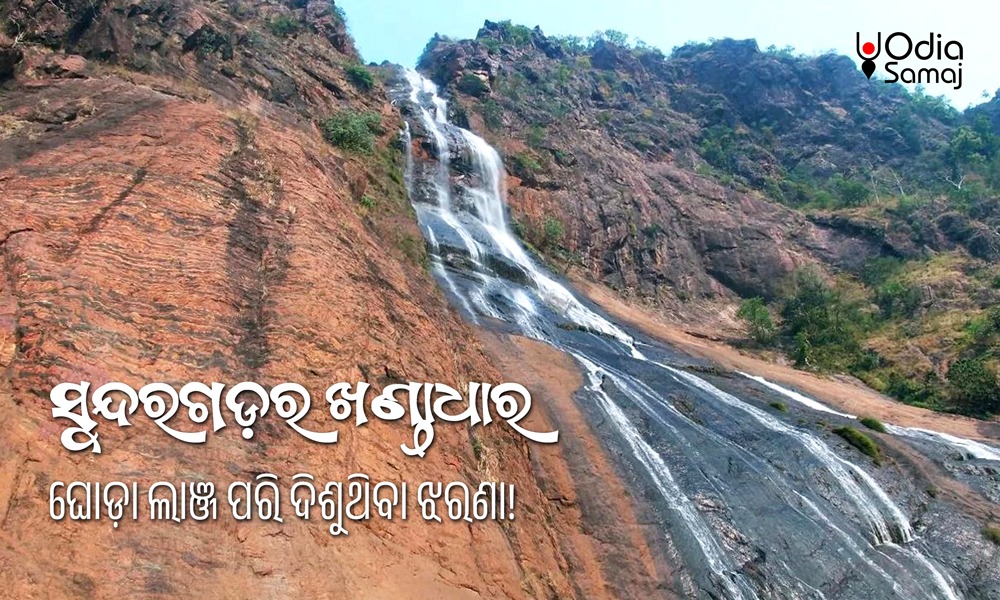
ସୁନ୍ଦରଗଡ଼ର ଖଣ୍ଡାଧାର , ଘୋଡ଼ା ଲାଞ୍ଜ ପରି ଦିଶୁଥିବା ଝରଣା!

ଓଡ଼ିଶା ଜନଜାତି ସଂସ୍କୃତି ଓ ବିଶ୍ୱାସର ନିଆରା ପରମ୍ପରା
May 11, 2026
Delving Into Odisha’s Indigenous Straw Art
May 6, 2026