

April 27, 2026
Marginal Increase in Crocodile Population Recorded in Odisha’s Bhitarkanika National Park
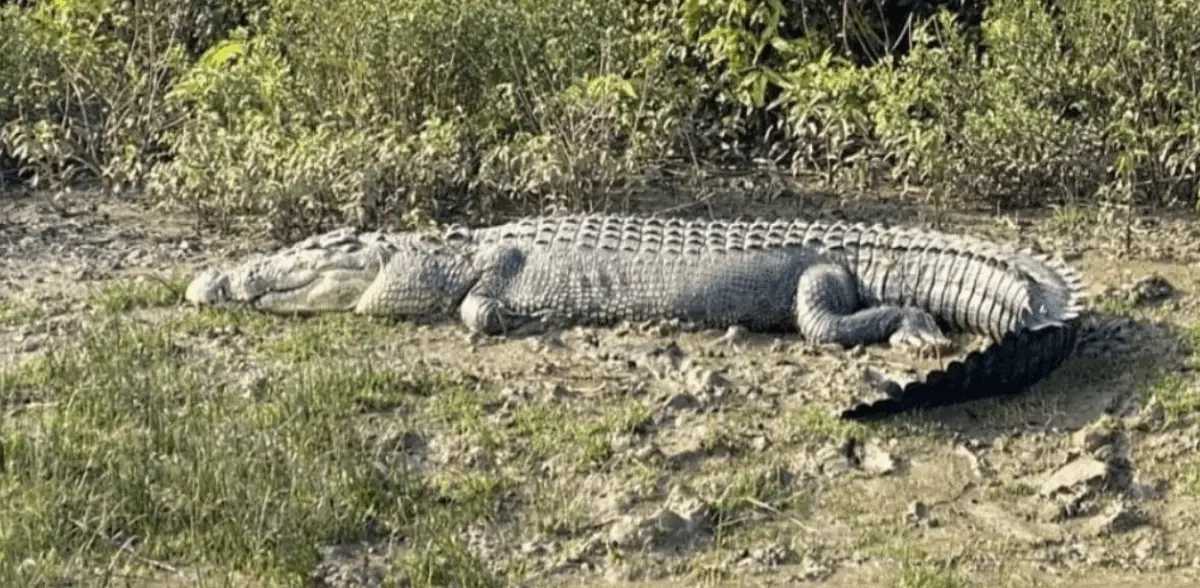
The annual crocodile census at Bhitarkanika National Park in Kendrapada district of Odisha has recorded a marginal rise in the population of saltwater crocodiles, reflecting the success of ongoing conservation efforts. According to forest department officials, the latest count shows an increase of 32 crocodiles compared to last year, taking the total population to 1,858. The information was officially released on Monday, highlighting steady growth in the reptile population at India’s second largest mangrove ecosystem.
The Forest, Environment and Climate Change Department confirmed that 1,858 saltwater crocodiles are currently inhabiting Bhitarkanika National Park. This is an increase from the 1,826 crocodiles recorded during last year’s census, indicating a modest but significant improvement in population numbers.
The census was conducted by trained forest personnel and wildlife experts who carried out a systematic survey across creeks, rivers and mangrove swamps within the national park. Officials attributed the rise in numbers to consistent conservation measures such as strict protection of nesting habitats, effective curbs on poaching, and continuous awareness campaigns among local communities living around the protected area.
Bhitarkanika, which has been designated as a Ramsar wetland site, is widely recognised as a critical habitat for saltwater crocodiles. The species is listed under Schedule I of the Wildlife Protection Act, 1972, providing it the highest level of legal protection. The park also serves as a major breeding ground for these reptiles, with nesting activity reaching its peak during the monsoon season.
To ensure accurate data collection, Bhitarkanika National Park was closed to tourists from January 8 to January 10, allowing uninterrupted monitoring of crocodile habitats. Forest officials explained that human activity during the census period could disturb the reptiles and affect the reliability of the count.
The steady rise in crocodile numbers once again underscores the ecological richness of Bhitarkanika’s mangrove ecosystem and highlights the importance of sustained conservation initiatives in protecting one of India’s most significant wildlife habitats.
Leave a reply
Your email address will not be published. Required fields are marked *
Recent Post

କଳା ଓ ସଂସ୍କୃତିର ମନ ମୁଗ୍ଧକର ମିଶ୍ରଣ କାଗଜ ମୁଖା ଚିତ୍ର


ମନ ମୋହୁଛି ମାଣିକପାଟଣା ଦହି
April 7, 2026

Jajpur: Where Chaos Becomes Calm
March 21, 2026

ବୁଗୁଡ଼ା ବିରଞ୍ଚି ନାରାୟଣ ମନ୍ଦିର - ଜୀବନ୍ତ କାଷ୍ଠ କଳାର ନିଦର୍ଶନ
March 17, 2026