
August 8, 2026
The Neelkanth: Odisha's Blue Treasure of Nature
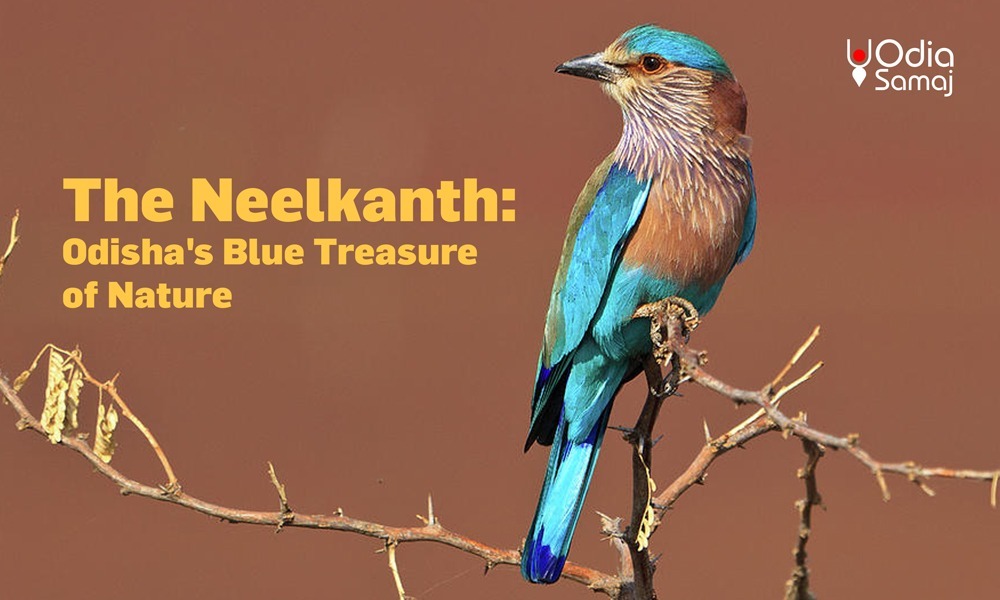
The land where the
spirit truly finds its path towards peace and relief is Odisha. Once a person
visits the state for a few days, their zeal to explore simply increases. Home
to a diverse variety of flora and fauna, the state reveals the beauty of nature
in countless ways. From its lush forests and wetlands to rich wildlife, Odisha
is a place where beauty and harmony blend perfectly.
One such symbol of
this harmony is the Indian Roller, Coracias
benghalensis, often referred to as the Neelkanth. In Odisha, it is
also known by local names such as Bhadabhadalia, as recorded in official
references. Even one look at the bird is enough to make the spectators believe
that such a unique creation of God truly exists. With its captivating colours
and graceful movements, the Neelkanth holds a special place in Odisha, where
the Indian Roller is honoured as the State Bird.
The
Hues of Magic
The bird is known
for its striking shades of blue, turquoise and greenish tones. The Neelkanth is
admired for its distinctive beauty, but it is not just its appearance that
captures hearts. Its vibrant plumage and swift movements make it one of the
most recognisable birds across the Indian landscape.
What makes the bird
even more fascinating is the transformation that takes place when it spreads
its wings. While perched, some of its brilliant colours appear comparatively
subtle. In flight, however, the contrasting shades of blue on its wings become
remarkably prominent, creating a mesmerising display against the open sky. The
combination of pale and deep blue makes the sight remain in the memory long
after the bird has disappeared from view.
Its spectacular
aerial displays become a sight to remember for all. During the breeding season,
the Indian Roller is known for remarkable courtship displays involving twists,
turns, dives and rolling movements through the air. These aerial performances are
among the most distinctive characteristics of rollers and are connected with
the origin of their familiar English name.
Unfolding
Nature’s Beauty on Wings
For photographers
and birdwatchers, the Neelkanth is a dream sighting. It is often seen perched
on trees, electric wires, poles and other exposed spots, carefully watching the
ground below. Open farmland, grasslands, groves and areas around villages are among
the landscapes commonly used by the species.
Its appearance
becomes even more interesting when observed closely. Unlike the European
Roller, the Indian Roller has prominent brownish and rufous tones on parts of
its head, neck and breast. Its plumage is complemented by spectacular blues
across the wings, rump, belly and tail. The throat carries pale streaks against
a pinkish or purplish-brown background, while the wings reveal their most
brilliant shades when opened in flight.
Yet the true
splendour of the bird is best experienced rather than described. A Neelkanth
sitting quietly may easily become part of the landscape, but the instant it
takes flight, those hidden shades of blue unfold. It is almost as though a
piece of the sky has suddenly found wings.
Something
More To Know
The bird's diet is
as diverse as its habitat. Insects form the principal part of its food,
including beetles, grasshoppers, crickets and other ground-dwelling insects. It
is also known to feed occasionally on small reptiles, amphibians and other
small animal prey. From an elevated perch, it often watches the ground
carefully before swooping down to capture its food.
This feeding
behaviour gives the Indian Roller an interesting place in agricultural
landscapes. Studies of its feeding ecology have found insects to be its
principal food and have suggested that the species can contribute to the
natural control of agricultural insect pests.
This is perhaps
another reason why the Neelkanth feels so deeply connected with the landscapes
of Odisha. The bird is not restricted to a world far removed from people. It
can be spotted around fields, roadsides, trees, villages and other open spaces,
making its beauty part of everyday surroundings. Nature does not always need to
be searched for in distant forests. Sometimes, it waits quietly beside us.
Harbinger
of Fortune
When Neelkanth comes
into the picture, people remember it for its striking appearance, but it is
also traditionally associated with abundance and good luck. You know what is
more interesting? The bird has found a special place in popular beliefs and
cultural traditions as well.
Across Odisha and
several other parts of India, sighting the Neelkanth has long been considered
auspicious in popular tradition. Odisha's own cultural records have documented
the belief surrounding the State Bird and its association with auspiciousness. Among
some farming communities too, the sighting of the bird has traditionally been
regarded as a favourable sign and associated with hopes of prosperity and a
good harvest.
The belief becomes
particularly visible during Dussehra or Vijayadashami. For many people,
spotting a Neelkanth on this auspicious occasion is considered a sign of
blessings and good fortune. Such traditions have travelled through generations,
allowing the bird to occupy a unique space where nature, faith and cultural
memory come together.
These beliefs reveal
something beautiful about the relationship between people and the natural
world. For generations, communities have observed birds, trees, rivers, seasons
and landscapes not merely as surroundings, but as living parts of everyday culture.
In this way, the Neelkanth has become more than a bird to be admired. It has
become a familiar presence in memory, faith and tradition.
A
Sacred Shade of Blue
The very name
Neelkanth carries a deep cultural resonance because it immediately reminds many
people of Lord Shiva.
Remember the story
our elders told us about Lord Mahadeva and the poison that emerged during the
Samudra Manthan? According to Hindu tradition, Lord Shiva consumed the
dangerous poison and contained it in his throat, which became blue. This gave
Mahadeva the revered name Neelkanth, meaning the one with the blue throat.
The Indian Roller is
popularly known as Neelkanth in several parts of India, and the name naturally
evokes this association with Lord Shiva. Scientifically, however, the bird does
not possess a distinctly blue throat. Its most spectacular blues are seen across
its wings, tail, rump, belly and parts of the head. The cultural connection is
therefore best understood through the bird's name, its brilliant blue
appearance and the traditions that have grown around it.
For those who see it
through the lens of faith, the Neelkanth is almost like a messenger of the
divine. For a nature lover, it is a spectacular example of the artistry of the
natural world. For a photographer, it is a moment worth waiting for. For an Odia,
it is also a proud symbol of the state's natural heritage.
Odisha’s
Blue Treasure
And perhaps that is
what makes the Neelkanth so special. It is not merely a bird of brilliant blue
wings. It is a symbol of Odisha's extraordinary relationship with nature,
mythology and belief.
There is something
beautifully fitting about the Indian Roller representing Odisha. Much like the
state itself, its beauty reveals itself in layers. At first there is calmness,
and then comes a sudden burst of colour. What appears simple from a distance becomes
extraordinary when seen closely.
In its flight,
people see beauty. In its presence, they see hope. In its colours, they
discover another reminder of how generously nature has blessed Odisha.
A
Sight That Stays With You
Perhaps the true
charm of the Neelkanth is best understood in an ordinary moment. Picture an
Odisha morning, with the fields stretching into the distance, trees standing
quietly along the road and the sky opening wide above. Somewhere in that
familiar landscape, a Neelkanth sits peacefully, almost blending into its
surroundings.
Then, without
warning, it takes flight.
Its wings open and
brilliant shades of blue sweep across the sky. For a few seconds, everything
else seems to disappear. It is one of those simple encounters with nature that
asks for nothing, yet leaves behind a memory that stays for years.
To admire the
Neelkanth is also to appreciate the land that gives such wonders a place to
belong. Odisha's fields, open countryside, groves and village landscapes form
part of a larger natural story where people and wildlife have existed alongside
one another for generations. As Odisha's State Bird rises into the blue, it
carries with it something deeply familiar: the serenity of the land, the
richness of its traditions and the quiet pride of its people.
When
a Piece of Odisha Takes Flight
Perhaps this is why
seeing a Neelkanth never feels like seeing just another bird. For a fleeting
moment, it feels like seeing a little piece of Odisha itself take flight.
The moment may last
only a few seconds. The bird may disappear beyond a field, a row of trees or an
open stretch of sky. Yet the colours remain in the mind. So does the feeling.
And in its very
existence, the Neelkanth reminds us that some of the most profound blessings do
not need to arrive with grandeur. Sometimes, they simply sit quietly on the
branch of a tree. Sometimes, they wait beside an open field. And sometimes,
just when we look towards the sky, they unfold their brilliant blue wings and
fly.
The Neelkanth is
therefore not only Odisha's State Bird. It is a glimpse of the state's natural
richness, a reflection of its cultural beliefs and a gentle reminder of the
relationship that has long existed between people, nature and tradition.
A flash of blue in
Odisha's sky.
A touch of wonder across its landscape.
And a treasure that becomes even more beautiful every time it takes flight.
Recent Post
The Neelkanth: Odisha's Blue Treasure of Nature
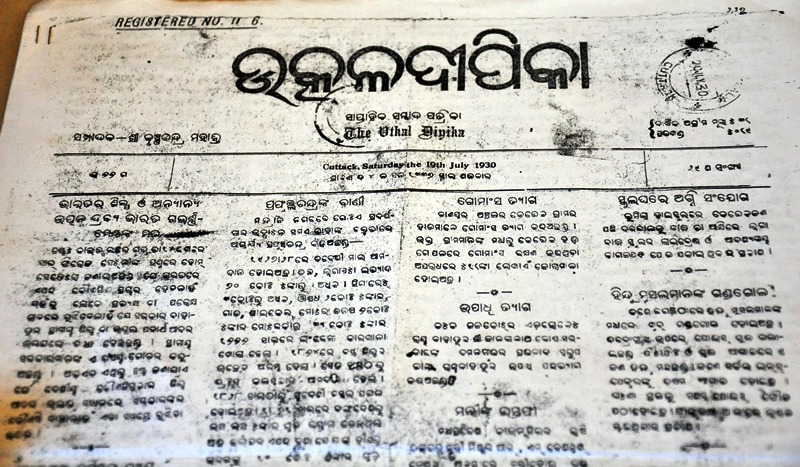
ଓଡ଼ିଆ ସାମ୍ବାଦିକତାର ଦୀପସ୍ତମ୍ଭ ଉତ୍କଳ ଦୀପିକା
August 5, 2026
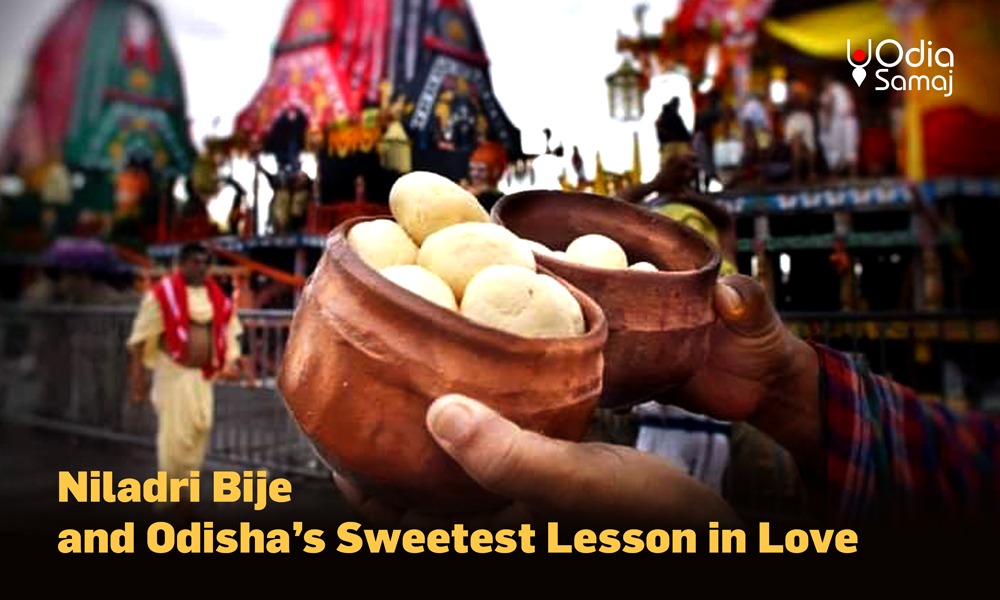
Niladri Bije and Odisha’s Sweetest Lesson in Love
July 25, 2026

ଭକ୍ତି, ଐତିହ୍ୟ ଓ ପରମ୍ପରାର ରଥଯାତ୍ରା
July 21, 2026

ପୁରାତନ ପରମ୍ପରାରୁ ପ୍ରେରଣା ସାଜିଛି 'ତୁମ୍ବା'
July 8, 2026