
April 29, 2026
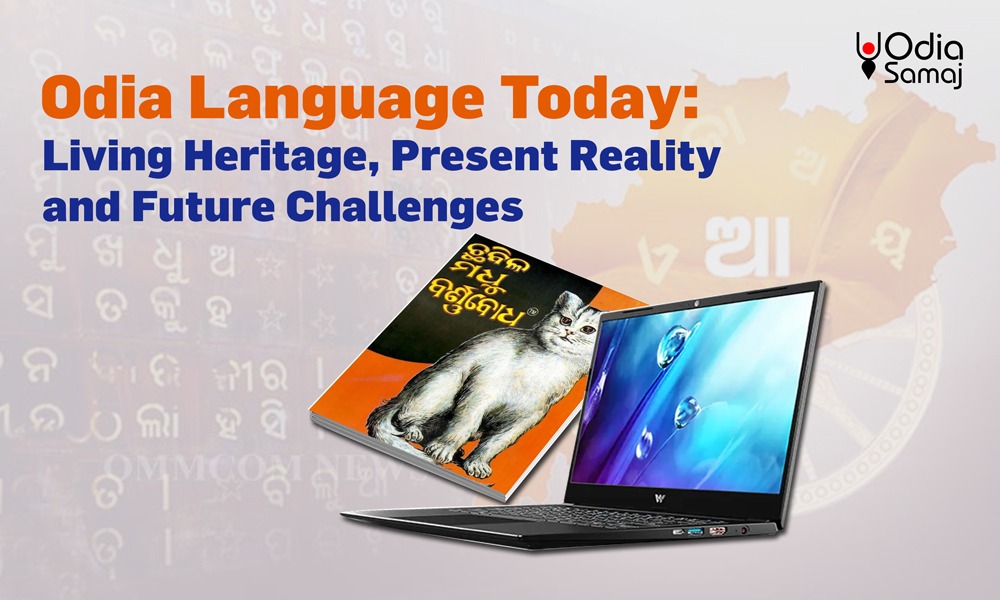
Odia Language Today: Living Heritage, Present Reality and Future Challenges
A
Language That Extends Beyond Speech Into Lived Experience
Odia is not merely a
medium of communication. It is a living cultural system that carries memory,
identity, and continuity across generations.
Recognized as one of
India’s classical languages in 2014, Odia holds a documented literary
tradition that stretches back over a thousand years. Its evolution can be
traced through early inscriptions, devotional poetry, and powerful literary
movements that shaped both its grammar and emotional depth.
From ancient temple
inscriptions and early poetic expressions to Bhakti-era compositions and modern
literary works, Odia has continuously evolved without losing its cultural core.
It remains deeply embedded in everyday life across Odisha, expressed through
speech, rituals, festivals, folk traditions, and storytelling practices that still
live in homes and communities.
Yet today, like many
regional languages in a rapidly globalizing world, Odia stands at a delicate
intersection between cultural preservation and modern relevance.
Present
Status of Odia Language: A Living System, Not a Static Heritage
Odia continues to
function as the official language of the state of Odisha, which ensures
its presence in governance, administration, judiciary communication, and
state-level documentation. It is also part of school and higher education systems,
ensuring that the language continues to reach younger generations through
formal education.
Beyond institutions,
Odia carries a strong literary foundation that has shaped its identity over
centuries. Early literary expressions, including the influence of ancient
inscriptions and early poetic forms, laid the groundwork for its development.
The medieval period saw the rise of devotional literature, most notably Sarala
Mahabharata by Sarala Das, which played a foundational role in shaping Odia
narrative tradition.
The Bhakti movement
further enriched the language with emotional depth and philosophical
expression, while modern literature was strengthened by pioneers such as Fakir
Mohan Senapati, widely regarded as a foundational figure in modern Odia prose,
and Radhanath Ray, who contributed significantly to the structure and evolution
of modern Odia poetry.
Even today, Odia
literature continues to grow through novels, poetry, essays, academic writing,
and digital storytelling, although readership patterns are changing with time.
Media,
Digital Shift and Changing Expression
Odia continues to
have a visible presence in newspapers, television channels, radio broadcasting,
government platforms, and online news portals. In recent years, digital media
has also expanded its reach, allowing Odia content to circulate more widely on
social platforms.
However, this digital
expansion has also introduced a noticeable shift in language usage patterns. In
many online spaces, Odia is increasingly used in mixed-language formats, often
blending with English or Hindi. This reflects evolving communication habits,
especially among younger users, but also signals a gradual transformation in
the purity and consistency of everyday written usage.
This is not a decline
in usage but a shift in linguistic behavior shaped by digital culture.
Urban
and Rural Language Balance
In rural Odisha, Odia
remains the primary spoken language in daily life, social interaction, and
cultural practices. It continues to function as a natural medium of communication
across generations.
In urban and
semi-urban regions, however, especially among younger populations, there is
increasing code-switching between Odia and English. This is largely influenced
by education systems, professional environments, and digital exposure.
This shift does not
indicate language loss, but it does reflect a changing linguistic balance where
Odia coexists with global languages in everyday speech.
Future
Challenges Facing the Odia Language
One of the most
significant challenges for Odia today is the gradual preference for English in
education, employment, and digital communication. While multilingual ability is
an important strength, reduced emotional and conversational use of Odia in
urban environments can gradually affect fluency and expressive depth over time.
Another key challenge
lies in the digital content ecosystem. Compared to widely dominant languages on
the internet, Odia still has a limited volume of high-quality digital content,
fewer standardized tools for typing and processing, and comparatively lower
representation in global knowledge platforms. This creates a visibility gap in
the digital space where language presence increasingly defines relevance.
There is also the
issue of translation-driven simplification. As modern education, entertainment,
and professional systems operate largely in English or Hindi frameworks, Odia
expressions often get translated or adapted. In this process, idioms lose their
cultural layering, poetic depth becomes simplified, and emotional context is
sometimes reduced. This subtle shift affects the richness of everyday
linguistic expression.
In education, while
Odia is taught in schools, it is often positioned more as an academic subject
than a living, expressive language. A language remains strong not only through
examination systems but also through its presence in thought, creativity,
conversation, and emotional communication. When usage becomes limited to
academic evaluation, natural engagement tends to weaken over time.
The
Cultural Strength of Odia Identity
Despite these
challenges, Odia continues to remain deeply rooted in cultural life. It
survives and thrives in lived experiences rather than only formal structures.
It continues to exist
through temple rituals and chants; folk theater traditions such as Pala and
Daskathia; rural storytelling practices; devotional songs; regional festivals
like Rath Yatra; and everyday conversations within families and communities.
This cultural
continuity ensures that Odia is not only preserved in books or institutions but is also actively lived in emotional and social spaces. The strength of the language
lies not just in its literature but in its ability to remain part of identity,
memory, and shared experience.
The
Road Ahead: How Odia Can Evolve
The future of the Odia language depends not only on preservation but also on meaningful adaptation to
contemporary realities.
This includes
expanding high-quality digital content creation in Odia, strengthening its
presence in higher education and research beyond textbooks, encouraging
youth-driven cultural storytelling, and supporting growth in Odia cinema,
literature, and digital media platforms.
Equally important is
fostering everyday pride in using Odia across both formal and informal spaces.
A language survives not only through official recognition but also through daily
emotional and creative use.
Conclusion:
A Language That Lives Through Its People
Odia is not
disappearing. It is evolving.
Like many regional
languages in a globalized world, it is adapting to new communication systems,
digital environments, and cultural transformations. Yet its foundation remains
strong, built on centuries of literature, identity, and lived cultural
experience.
The true question for
the future is not about survival alone but about continuity of use.
Because a language
does not remain alive in records or recognition alone. It remains alive in
people who choose to speak it, think in it, and pass it forward.
Odia continues to live. The responsibility now is to ensure it continues to be lived.
Recent Post
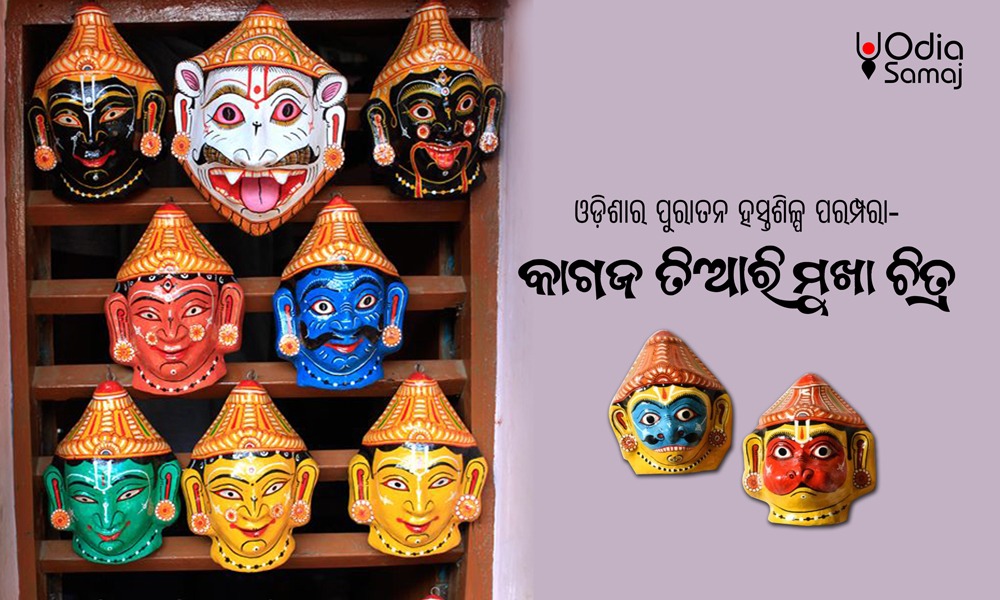
କଳା ଓ ସଂସ୍କୃତିର ମନ ମୁଗ୍ଧକର ମିଶ୍ରଣ କାଗଜ ମୁଖା ଚିତ୍ର
April 27, 2026

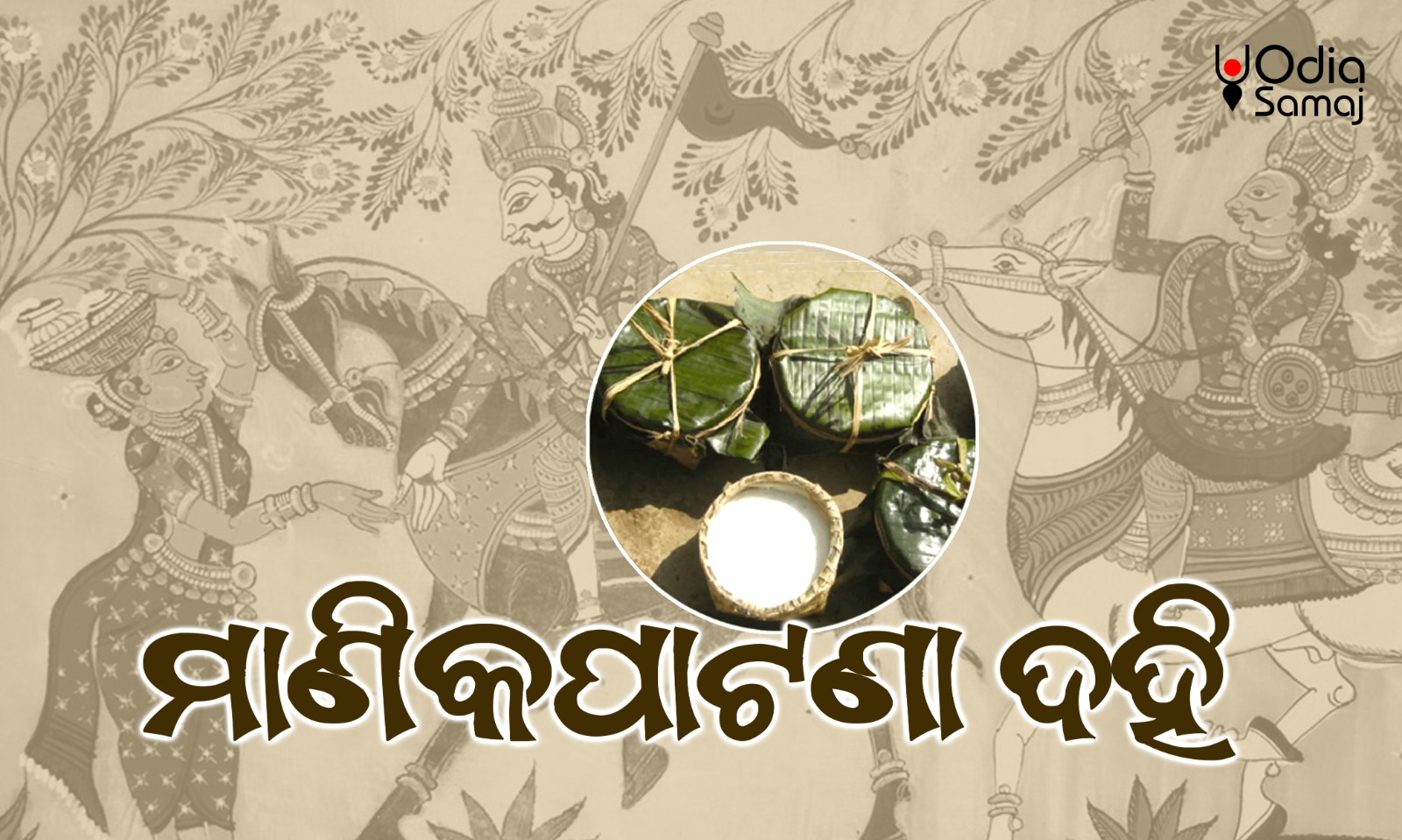
ମନ ମୋହୁଛି ମାଣିକପାଟଣା ଦହି
April 7, 2026
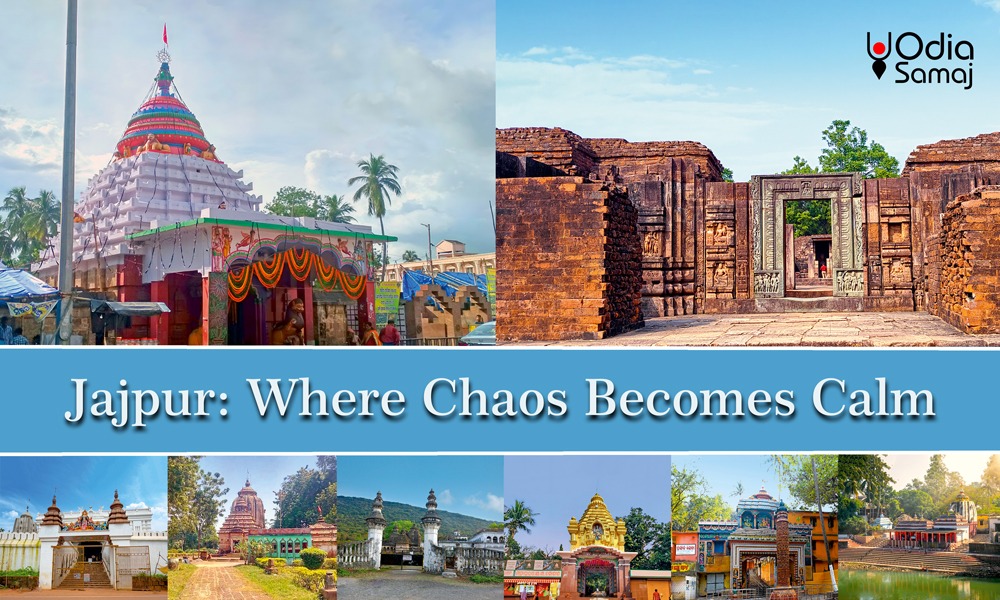
Jajpur: Where Chaos Becomes Calm
March 21, 2026