

May 22, 2026
TPSODL Menstrual Health and Hygiene Programme Reaches Over 10000 Women and Girls Across Southern Odisha
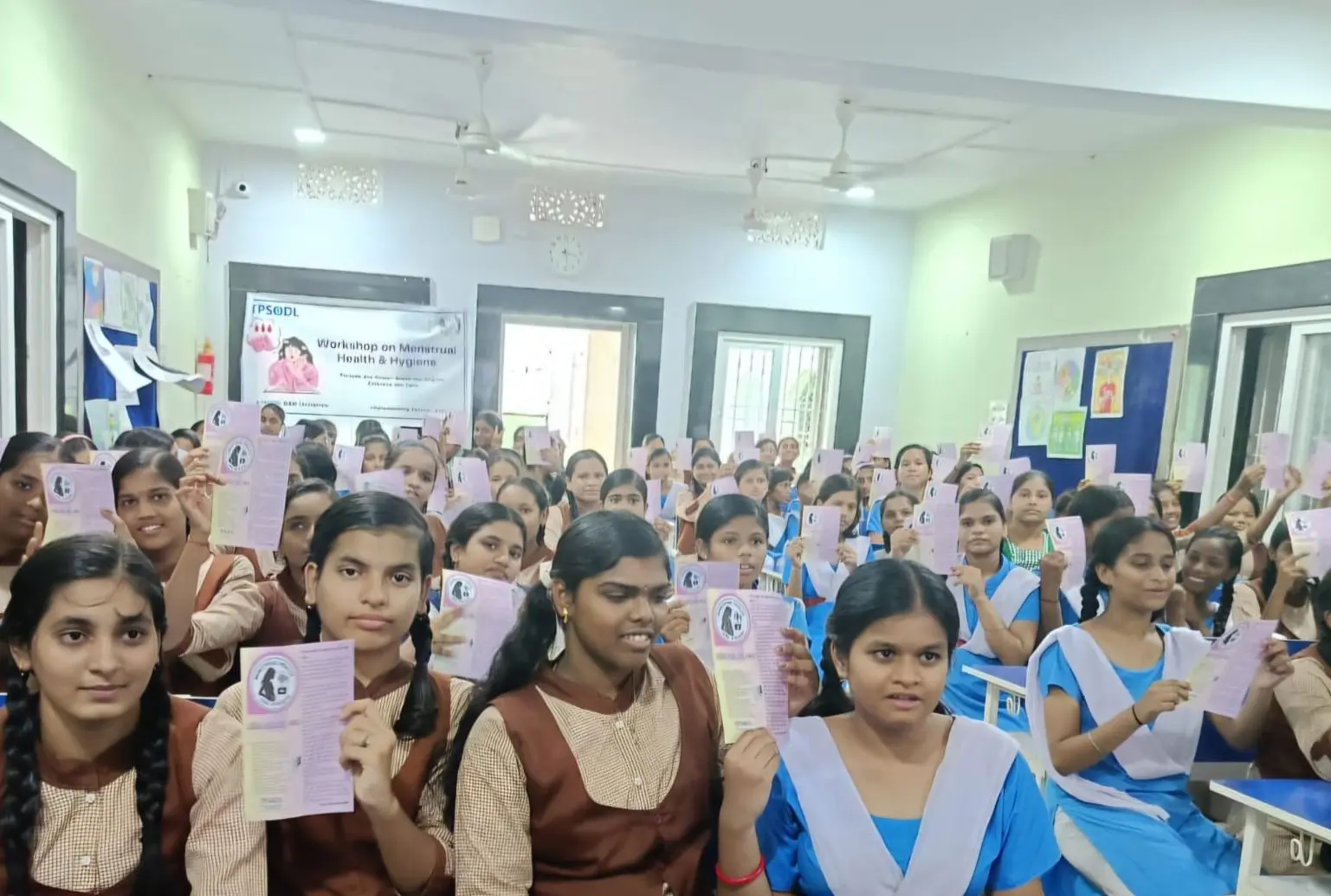
TP Southern Odisha Distribution Limited (TPSODL), a joint venture between Tata Power and the Government of Odisha, has successfully conducted a large scale menstrual health and hygiene awareness programme across southern Odisha as part of its corporate social responsibility initiative. The programme aimed at improving community health, supporting adolescent well being and promoting gender equity while addressing the challenges faced by women and girls in remote and tribal dominated regions.
The initiative covered eight districts including Ganjam, Gajapati, Koraput, Boudh, Kandhamal, Malkangiri, Rayagada and Nabarangpur. These regions are known for their challenging terrain that includes hills, forests and remote villages with a significant tribal population. Through this programme, TPSODL reached more than 10000 adolescent girls and women to spread awareness about menstrual health and hygiene.
The awareness campaign focused on promoting hygienic practices during menstruation while also addressing common myths and social taboos that often prevent open discussion on the topic. The programme encouraged scientific and informative conversations about menstrual health and aimed to improve access to menstrual hygiene products among girls and women living in rural and remote communities.
A total of 77 awareness sessions were organised across the eight districts to maximise outreach and community participation. Among these sessions, 12 were conducted in Ganjam, 11 in Koraput and 10 in Malkangiri, with several others organised across the remaining districts. The sessions were held at government and private schools, community halls, Anganwadi centres, community health centres and village level community spaces to ensure that the message reached a wide range of participants.
The initiative recorded the participation of 10110 adolescent girls and women. Ganjam district witnessed the highest turnout with 1530 participants followed by Malkangiri with 1429 participants and Koraput with 1398 participants. Trained professionals including doctors, auxiliary nurse midwives, nurses, NGO representatives and community health workers conducted the sessions and interacted with the participants to explain menstrual health, hygiene practices and reproductive health in a clear and scientific manner.
Doctors from cities including Berhampur and Bhubaneswar as well as several districts of southern Odisha took part in the programme and answered questions from adolescent girls about menstrual health. Their engagement helped create a supportive environment where participants could openly discuss issues that are often considered sensitive in many communities.
To reach women and girls who are not enrolled in schools, several community based sessions were also organised with the support of gram panchayat level federations, self help groups, community resource persons and master book keepers. In addition, 12 exclusive sessions were organised for women across the districts of Ganjam, Koraput, Kandhamal, Malkangiri, Boudh and Nabarangpur where between 99 and 159 women participated in each session.
As part of the programme, menstrual hygiene materials were distributed among participants. The hygiene kits included reusable sanitary pads with covers, hand towels, liquid soap or sanitiser and informational leaflets designed to provide guidance on menstrual health practices. Disposable sanitary pads were also distributed among participants while complete hygiene kits were provided to students who actively participated in the sessions.
Speaking about the initiative, Amit Kumar Garg said that menstrual health awareness plays a crucial role in ensuring the health, dignity and confidence of adolescent girls and women. He stated that through such initiatives TPSODL aims to encourage informed discussions and promote safe menstrual practices among communities while ensuring that even the most remote and tribal regions receive the necessary knowledge, support and resources to help young girls manage menstruation with confidence and dignity.
Leave a reply
Your email address will not be published. Required fields are marked *
Recent Post
ସୁନ୍ଦରଗଡ଼ର ଖଣ୍ଡାଧାର , ଘୋଡ଼ା ଲାଞ୍ଜ ପରି ଦିଶୁଥିବା ଝରଣା!
ଓଡ଼ିଶା ଜନଜାତି ସଂସ୍କୃତି ଓ ବିଶ୍ୱାସର ନିଆରା ପରମ୍ପରା
May 11, 2026
Delving Into Odisha’s Indigenous Straw Art
May 6, 2026